With the rise of online marketplaces and e-commerce, the demand for storage units has increased significantly. However, this increased demand also brings the responsibility of ensuring the safety and security of these facilities.
Storage facilities deal with a wide range of items, from household goods to expensive equipment and documents. Therefore, proper protocols are essential to protect all stored belongings. In this article, we will discuss some of the safety protocols followed by leading storage spaces in Dubai to provide customers with peace of mind when storing their possessions.
Controlled access
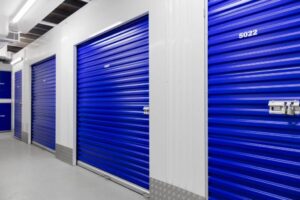
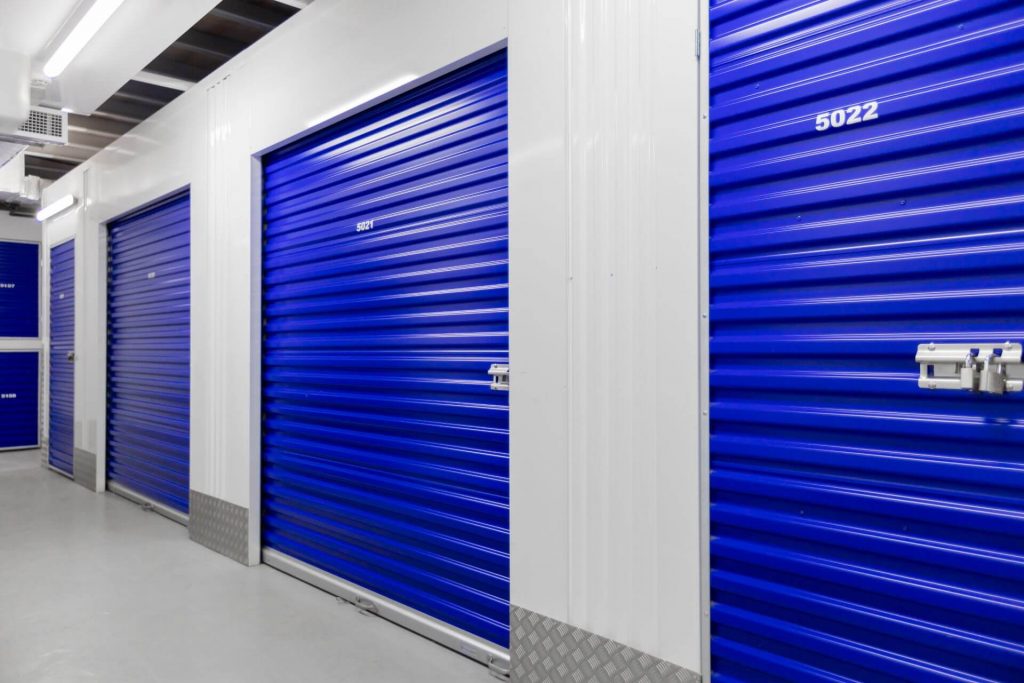
Restricted entry keeps unfamiliar visitors away from private units. Facilities use gates, personal access codes, electronic locks, or security cards to control movement. Staff monitor entry points and check unusual activity. Some sites also record entry and exit times, which helps staff review events if a concern appears.
Customers should keep their access codes private and avoid sharing them with other people. Staff can also deactivate lost cards or update access details when required. These simple steps reduce unwanted entry and support a secure environment.
Security cameras
Cameras provide broad coverage across important areas. Leading facilities place cameras near gates, hallways, parking areas, elevators, and building entrances. Modern systems record activity throughout the day and night. Clear camera coverage also discourages theft and property damage. Staff can review footage when an incident occurs and share useful details with security personnel or authorities when appropriate.
Fire protection
Fire safety receives serious attention inside professional facilities. Buildings use smoke detectors, fire alarms, extinguishers, emergency exits, and other protective equipment. Staff inspect these systems regularly and keep emergency routes clear. Customers also play a part in fire prevention. Storage rules usually restrict flammable liquids, explosives, gas cylinders, and other hazardous materials. Following these rules protects individual units and nearby belongings.
Lighting and clean surroundings
Bright lighting helps staff and customers spot hazards around entrances, corridors, stairs, and parking areas. Clean floors also reduce slips, trips, and blocked pathways. Staff remove rubbish, inspect shared areas, and address spills quickly. Regular cleaning also helps discourage pests that may damage stored items.
Staff inspections
Regular inspections help staff spot damaged doors, leaks, electrical concerns, broken lights, or other hazards. Teams record problems and arrange repairs before small issues become larger concerns. Staff should also know emergency procedures and basic first aid practices. Clear communication helps teams respond quickly during alarms, accidents, or security concerns.